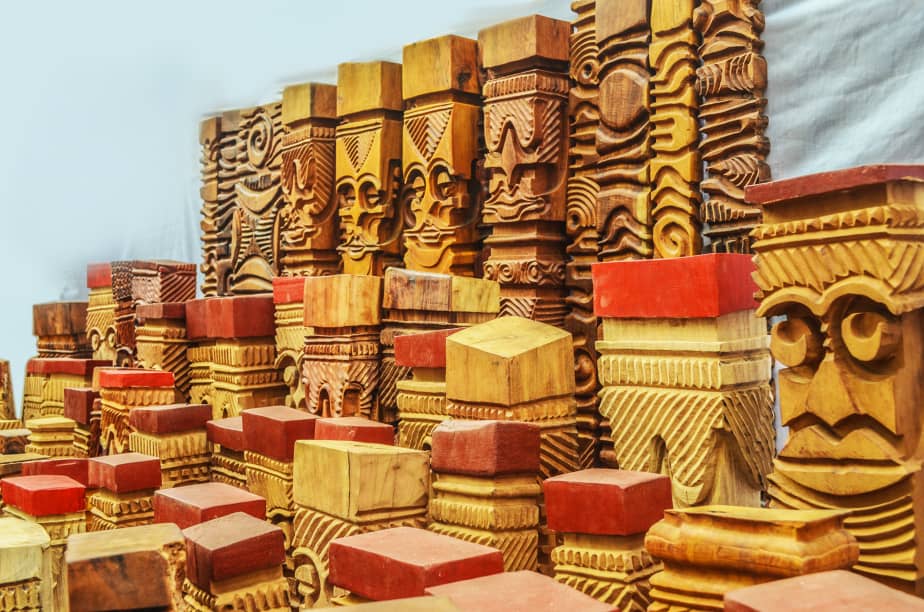
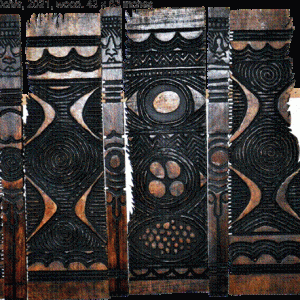
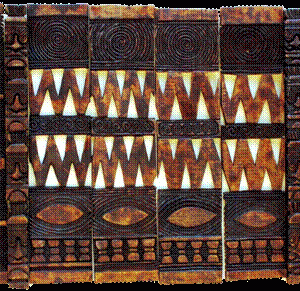
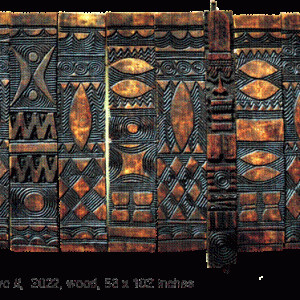
African sculpture, with its rich history and diverse cultural influences, has long been a source of inspiration and fascination for art enthusiasts worldwide. The power of contemporary African sculpture, in particular, lies in its ability to transcend traditional boundaries while maintaining a deep connection to its roots. By redefining form, embracing dynamic functions, and expressing profound emotions and experiences, contemporary African sculpture has emerged as an essential contributor to the global art scene. Contemporary African sculpture has evolved from its traditional roots to embrace a wide range of innovative forms, materials, and techniques. This creative expansion has allowed African artists to forge their own unique identities while paying homage to the rich artistic heritage of their ancestors. Traditional African sculpture has always been characterized by its striking forms and intricate craftsmanship, capturing the essence of human experience through the use of wood, stone, clay, and bronze. Contemporary African sculptors have built upon this foundation, incorporating new materials and processes to create visually arresting and thought-provoking works of art. However, the innovative form showcases the immense creativity and adaptability of its artists. Drawing from traditional African sculpture, these artists have expanded their repertoire of materials and techniques, pushing the boundaries of artistic expression. From the use of reclaimed and recycled materials to the incorporation of digital and mixed media, contemporary African sculpture embodies a fusion of past, present, and future. Its dynamic function is another testament to its power. Far from being merely decorative, these artworks serve as a platform for addressing social issues, challenging political narratives, and fostering community involvement. Monumental sculptures and public art installations act as symbols of African cultural identity, celebrating the resilience and ingenuity of our people while also preserving our rich heritage. Furthermore, the profound expression found in contemporary African sculpture communicates the personal and collective experiences of the artists and their communities. Themes such as migration, displacement, and postcolonial discourse resonate on a global scale, while explorations of spirituality and the human condition invite introspection and empathy from viewers. The emotional impact of these sculptures not only evokes a sense of pride and resilience but also promotes cross-cultural understanding and appreciation. Contemporary African sculpture serves a multitude of purposes, transcending mere aesthetic appeal to engage with social, political, and cultural issues. These artworks are often imbued with deeper meanings, reflecting the artists’ experiences and perspectives while challenging viewers to confront their own beliefs and assumptions. One of the most significant functions of contemporary African sculpture is its ability to address social issues and spark conversations about topics that are often marginalized or overlooked. For instance, many African artists use their work as a platform to raise awareness about issues such as poverty, gender inequality, and human rights abuses. By engaging with these subjects through sculpture, artists can create powerful visual statements that resonate with audiences on both an emotional and intellectual level.