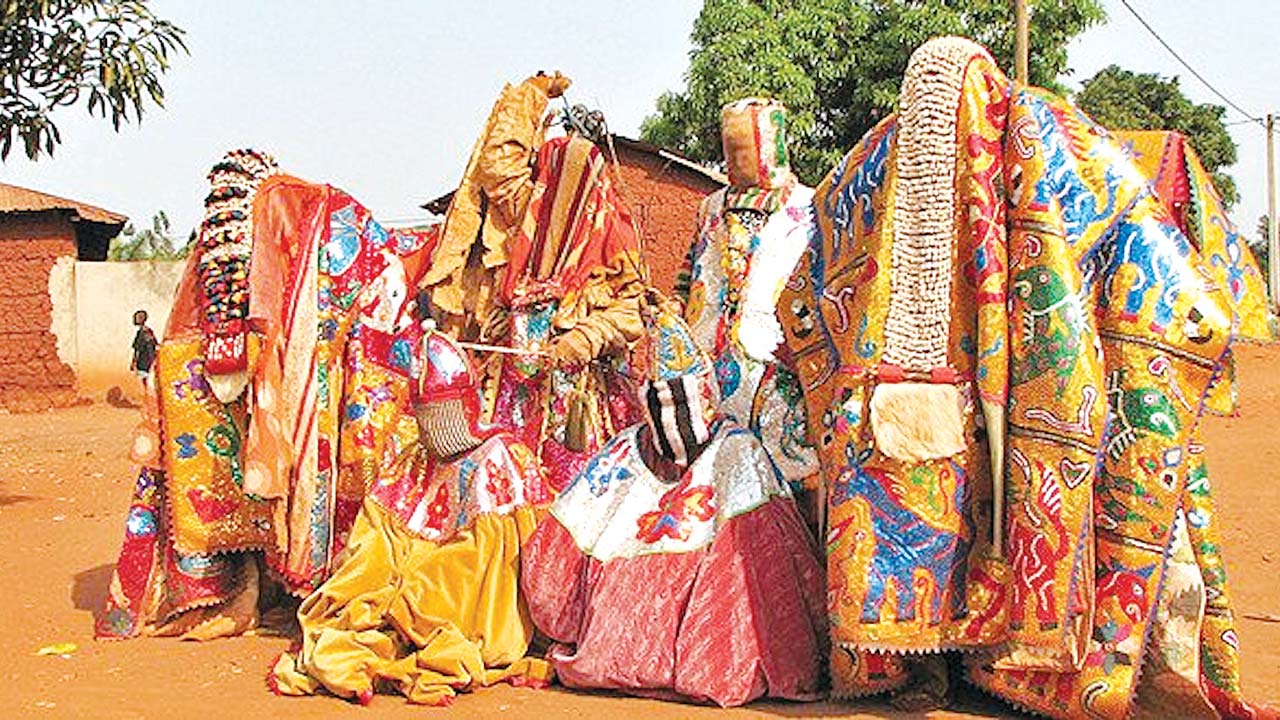
Africa is known for her unique communal spirit. This distinctive spirit of an African is made manifest in many traditional festivals in the African world. A Festival is generally a joyful period set aside for celebration. It is an event organized by a particular community or group of people to commemorate a remarkable event in their historical life. It is also a truism that the contemporary society is said to be a global village. In this regard, the pertinent questions that bother on this promotion and awareness are as follows; What is the place of African traditional festivals in the face of globalization? Do African festivals have some relevance to the contemporary African and/or the global society? Can we say that African traditional festivals are now obsolete and without any contemporary significance as argued in some quarters today? However, your answers are as good as mine. Festivals in general are joyous occasions celebrated with specific aim or aims in view and as such, they have some beliefs necessarily attached to them.
One basic thing to note is that festivals have some beliefs attached to it; it is not something that is done anyhow; it has to be planned for. Festivals are seen as part of the way of life of a particular people. It is a manifestation of the rich cultural values of a people. Without mincing words, we wish to assert that the notion of festival is not alien to the African society. Africa can rightly be said to be a festival continent. Africa is known for celebrating almost everything. African nations are known for their varied festivals. In Africa, as among other peoples of the world, the social life and activities are punctuated with festivals because they help to project, in a unique way, the socio-religious life of man as a social animal, as well as a religious being – homo religiosus. Every individual feels naturally as a “member” of the society in which he lives. He depends on it for his personal development, and this is always in relation to other members of the same society in and through whom he finds happiness.