Arts
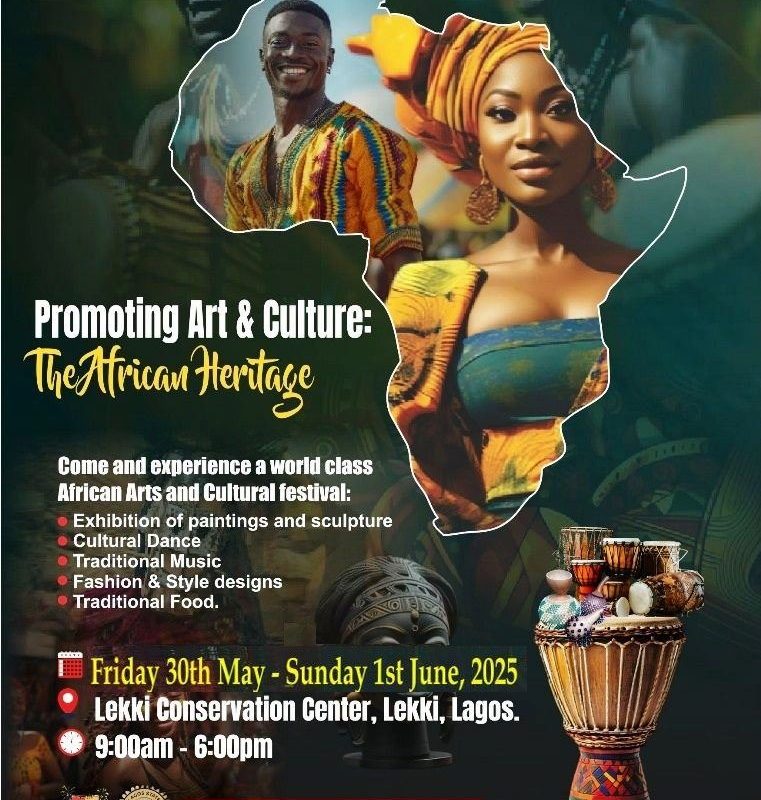
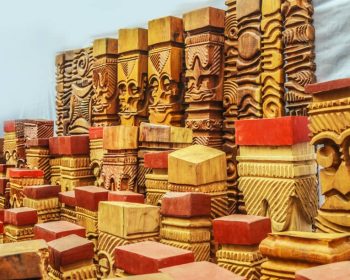
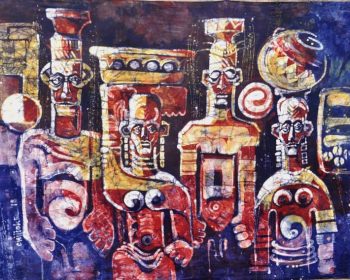
African art describes the modern and historical paintings, sculptures, installations, and other visual culture from native or indigenous Africans and the African continent. The expression or application of diverse human creative skill and imagination, typically in a visual form such as painting or sculpture, producing works to be appreciated primarily for their beauty, emotional power or conceptual ideas. Arts are vast range of human practices of creative expression, storytelling and cultural participation. It is worthy of note that which can be called African art ranges from what is often labeled traditional sculpture and masks to contemporary painting, photography, ceramics, metal working, and more. The African arts are vehicles through which human beings cultivate distinct social, cultural, and individual identities while transmitting values, impressions, judgements, ideas, visions, spiritual meanings, patterns of life, and experiences across time and space.
Culture
In so many ways, African heritage has been, and is still, lost. One significant reason is the impact of colonisation and the transatlantic slave trade which resulted in the erasure and distortion of many aspects of African culture, including language, traditions, and belief systems. The imposition of colonial rule led to the suppression and marginalization of indigenous African practices, as well as the promotion of Western cultural norms and values. To create a world that reflected imperialism, the process of alienation and marginalization prevented Africans from developing their own culture. In so many ways, Africans were made to accept Christianity and abandon their traditional religion(s). The 19th century faced massive conversion of Africans from African Traditional Religions (ATR) to Christianity and Islam4. Christianity and Islam rejected most ATR practices, including songs and dances. In some instances, force was used to convert Africans to Christianity or Islam. To further entice Africans to leave ATR and their cultural practices, missionaries engaged in medical practices, pastoral visitation, and vocational training for young men and women.Rapid urbanisation, globalisation and modernisation have also played a role in diminishing the importance placed on African heritage.
In so many ways, in a world of globalisation, new cultures have emerged in African societies, which is not easy to reverse. Confronting globalisation usually puts African cultural heritage in a dilemma, since many benefits are derived from modernisation, a product of globalization. It is essential to recognise the value of African heritage and take proactive steps to preserve and promote it. Reinstating African heritage involves a collective effort to reclaim, preserve and promote the diverse cultural traditions, practices, and beliefs that form the foundation of African identity.

Fashion & Style
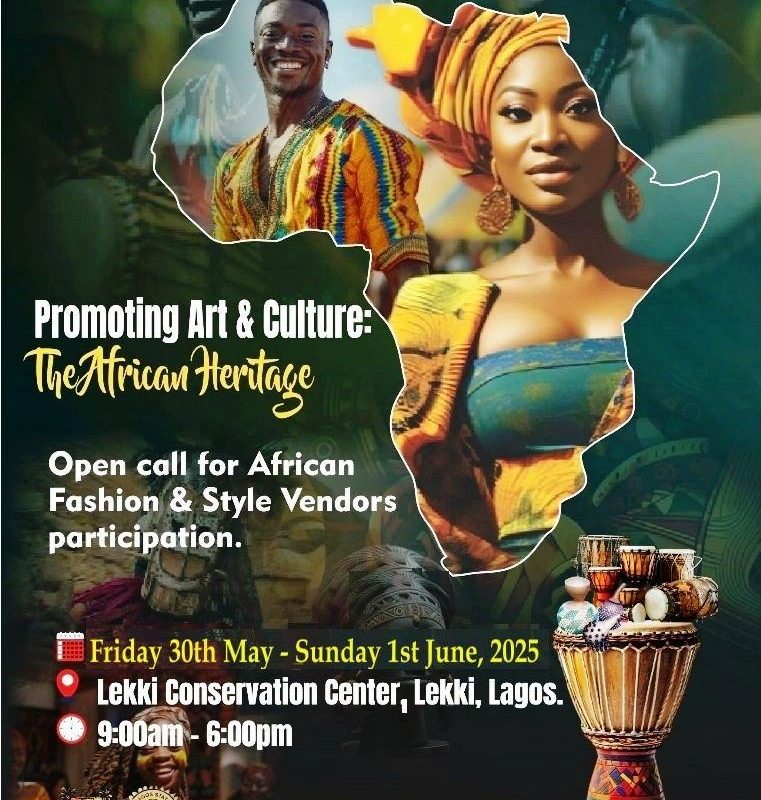
The African fashion and style sectoris a rich niche that encompasses the entirety of fashion production…
Festivals
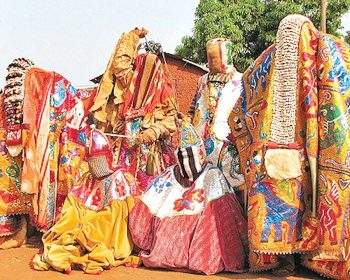
Africa is known for her unique communal spirit. This distinctive spirit of an African is made…
Music
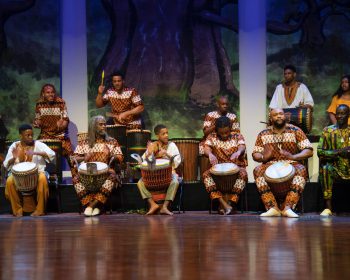
The African music is like a special treasure, full of stories and traditions. It’s not just…
Dance
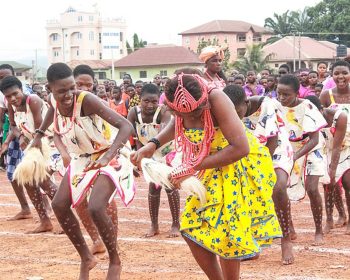
With a rich and storied heritage that spans millennia, African dance is as diverse as the…

Food
Africa, a continent of breathtaking natural beauty and immense cultural wealth, boasts an extraordinary array of…
Our Partners
Lagos State Government
Lagos State Council For Arts and Culture

Lagos Free Zone
Federal Ministry of Foreign Affairs, Nigeria